This is my favourite facial oil. I use a few drops in the morning on clean damp and hydrated skin for a dewy non greasy finish.
Certified Organic Rosehip Oil - Cold Pressed - Refined - ACO Cert. No. 14153

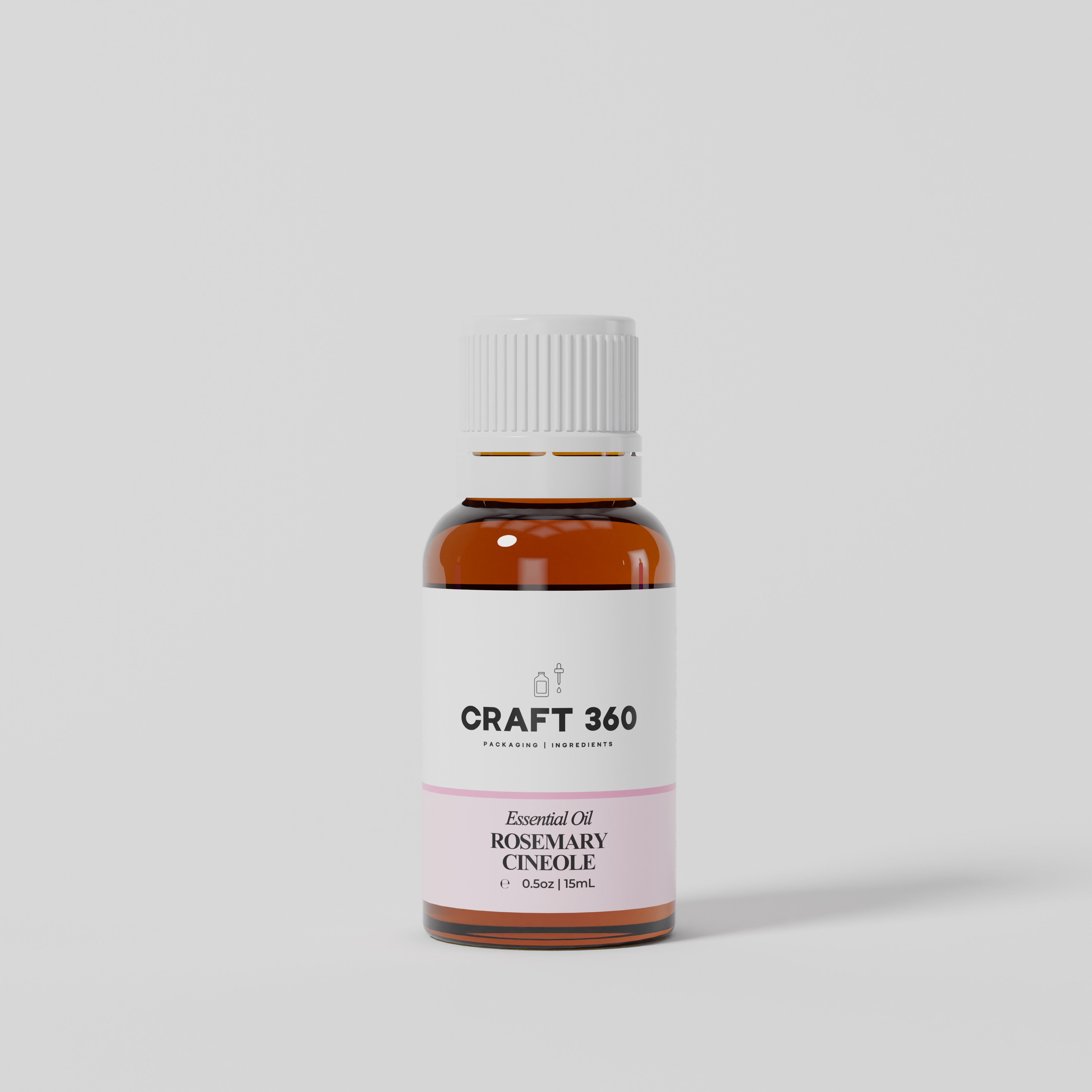
Herbaceous and bright, rosemary cineole delivers a refreshing aroma that sharpens concentration and energises the spirit.
Uses & Benefits
✔
✔
✔
Product Specifications
Why choose Rosemary Cineole?
How do I use Rosemary Essential Oil?
What makes our Rosemary Essential Oil so special?
Shipping:
Free standard shipping on orders over $80 AUD across Australia.
Excludes BULK Products, further exclusions apply.
👉 For full terms, inclusions and exclusions, read the Free Shipping T&Cs here.
We dispatch most orders within 1–2 business days, Monday to Friday, from our Melbourne HQ. All parcels are sent via Australia Post with tracking, and we ship Australia-wide with standard and express options. Please allow up to 5 business days for your order to be sent during sale periods.
Returns:
Something not right? Let us know within 30 days and we’ll replace anything damaged or faulty.
Change of Mind:
To ensure our ingredients are stored in optimal conditions, most ingredients can’t be returned unless there’s an issue.
All other products can be returned or exchanged if you cover the return postage.
Tested Ingredients You Can Trust
Fast & Free Shipping Over $80*
Loved by 25,000+ Makers
Craft 360's Rosemary Essential Oil is steam distilled from the leaves of Rosmarinus Officinalis sourced from Tunisia, delivering a bold, fresh, herbaceous aroma with the high 1,8-cineole content that Australian makers specifically look for.
This 100% pure Cineole chemotype is one of the most widely used essential oils in Australian hair care and scalp formulations, from shampoos and conditioners to scalp serums and treatment oils. It is also a popular ingredient in oily skin formulations, diffuser blends and soap making. No fillers, no synthetics, no dilutions, just pure rosemary cineole, in flexible pack sizes with bulk and wholesale pricing, shipped fast and tracked across Australia.
⚠️ Rosemary Cineole is classified as a Class 3 Flammable Liquid. It ships by road freight only within Australia. Express Post is not available for this product.
Experience the invigorating freshness of Rosemary Essential Oil (cineole), a premium essential oil renowned for its refreshing, deeply herbal, and subtly sweet aroma. This specific chemotype, known as cineole, boasts a high concentration of 1,8-cineole (eucalyptol), which distinguishes it from other varieties of Rosemary Oil.
Perfect for business customers and DIY enthusiasts alike, Rosemary Essential Oil (cineole) is ideal for use in creating invigorating personal care products, hair care solutions, and natural home remedies. Its versatile applications and distinctive scent make it an essential component of any essential oil collection.
Essential oils are highly concentrated substances and can be harmful if not used properly.
Essential oils are for external use only and should not be consumed internally. Keep essential oils out of the reach of children and pets. It's advisable to avoid using them during pregnancy and breastfeeding.
Due to their potency, essential oils can cause skin irritation or reactions if applied directly; therefore, we recommend diluting them before topical use. We also recommend testing on a small patch of skin prior to use.
Consult with a healthcare professional before using this product. If you experience any adverse reaction, contact your doctor and seek advice immediately.
DANGER

Can I use rosemary essential oil directly on my skin or scalp?
No, rosemary essential oil is highly concentrated and must always be diluted in a carrier oil before skin or scalp application. As a general industry reference, usage rates of around 0.4–1% are commonly cited for leave-on facial products, around 1–2% for leave-on scalp and body treatments, and around 2–3% for rinse-off products such as shampoos and conditioners, though appropriate rates may vary depending on your full formula, product type and individual sensitivity. These are general reference points, not universal regulatory limits.
Always patch test before use and review the Safety Data Sheet (SDS) before formulating. If you are pregnant, breastfeeding or formulating for vulnerable populations, we recommend consulting a qualified professional before using rosemary essential oil.
📖 Read our full guide: Essential Oil Safety & Dermal Limits: A Beginner's Guide for Skincare Formulators →
What are the benefits of rosemary cineole essential oil for hair and scalp?
Rosemary Cineole is one of the most popular essential oils used in hair care formulations in Australia. Its high 1,8-cineole content is commonly associated with scalp-stimulating and clarifying properties, making it a widely used ingredient in formulations targeting scalp care and overall hair appearance, including shampoos, conditioners, scalp serums and leave-on treatment oils.
It also has naturally astringent characteristics that make it well-suited to oily and combination scalp formulations. As a bonus, its fresh, invigorating herbal fragrance adds excellent sensory appeal to any hair care product.
What are the skin benefits of rosemary cineole essential oil?
Rosemary Cineole contains naturally occurring active compounds including 1,8-cineole and rosmarinic acid, which are commonly associated with toning and clarifying properties in cosmetic formulations. It is well-suited to oily and combination skin types in both rinse-off and leave-on formulations, and is commonly used in formulations intended to help support the appearance of a clearer, more balanced complexion.
As a general guide, usage rates of around 0.4–1% of total formula weight are commonly cited for leave-on skin preparations such as creams, gels and serums, though always refer to your SDS and conduct a safety assessment for your specific formula.
What is the difference between rosemary cineole, rosemary camphor and rosemary verbenone?
These are three different chemotypes of rosemary essential oil, same plant species (Rosmarinus Officinalis), but grown in different regions and climates, producing different chemical profiles and formulation applications:
Craft 360 stocks the Cineole chemotype, the most popular choice for Australian hair care and skincare formulators.
What is the dermal limit for rosemary cineole essential oil?
Rosemary Cineole is a moderate-risk oil that requires correct usage rates. As a general industry reference, the following rates are commonly cited: around 0.4–1% of total formula weight for leave-on facial products, around 1–2% for leave-on scalp and body products, and around 2–3% for rinse-off products such as shampoos and body washes. These are general reference points based on IFRA guidance and industry practice, they are not universal regulatory limits and may vary depending on product type, exposure level, formula composition and individual safety assessment.
If you are pregnant, breastfeeding or formulating for children or other vulnerable populations, we recommend consulting a qualified professional before using rosemary essential oil, as usage considerations may differ. Always refer to your SDS and conduct a full safety assessment before commercialising any product in Australia.
📖 Read our full guide: Essential Oil Safety & Dermal Limits: A Beginner's Guide for Skincare Formulators →
How do I use rosemary cineole essential oil in a shampoo or scalp serum?
In a shampoo, add rosemary cineole at around 2–3% of total formula weight in the cool-down phase at or below 40°C. It blends well with cedarwood, peppermint and tea tree for a well-rounded scalp-care shampoo formulation.
For a leave-on scalp serum or treatment oil, use at around 1–2% of total formula weight, diluted in a lightweight carrier oil such as jojoba or fractionated coconut oil. Apply directly to the scalp and massage gently.
Rosemary is oil-soluble and must be incorporated into the oil phase of your formula. If adding to a water-based product, a suitable solubiliser will be needed to disperse it evenly.
📖 Not sure about solubilisers? Read: How to Solubilise Essential Oils in Water →
What does rosemary cineole essential oil smell like?
Rosemary Cineole has a bold, fresh, herbaceous and slightly camphoraceous aroma, bright, clean and invigorating with a distinctly herbal character. Its high 1,8-cineole content gives it a eucalyptus-like freshness layered over a warm, woody-green rosemary base.
As a middle note, it adds excellent depth and complexity to hair care products and diffuser blends, and pairs naturally with lavender, peppermint, cedarwood, lemon and tea tree essential oils.
📖 Learn more about essential oil notes and blending →
What essential oils can I substitute for or blend with rosemary cineole?
If rosemary cineole is unavailable or you'd like to complement its profile, consider these options, all available at Craft 360:
Can I use rosemary essential oil in soap making, skincare formulations and candle making?
Yes, rosemary cineole is a reliable middle note in cold-process and melt-and-pour soap, performing well through saponification without typically accelerating trace. Usage rates of around 1–3% of total oil weight are commonly referenced for soap, though always conduct a test batch first.
For soy or beeswax candles, use within your wax's recommended fragrance load (typically around 6–10% of wax weight, depending on wax type) and test for cold and hot throw before scaling. It blends naturally with lavender, peppermint and cedarwood for fresh, herbal fragrance profiles.
Can I use rosemary cineole essential oil in a diffuser?
Yes, rosemary cineole is an excellent choice for diffusing. Add 3–5 drops per diffuser session or follow your diffuser manufacturer's guidelines. Its bold, invigorating herbal aroma is widely associated with an energising and uplifting atmosphere, making it a popular choice for home offices, study spaces and morning routines.
It blends well in a diffuser with lavender, peppermint, lemon and eucalyptus for fresh, uplifting room fragrance blends.
How is rosemary cineole essential oil used in aromatherapy?
In aromatherapy, rosemary cineole is valued for its invigorating, clarifying and grounding aromatic qualities. Its fresh, herbaceous scent is widely associated with an energising and uplifting atmosphere, making it a popular choice for diffuser blends used during morning routines, creative work and study.
It can be diffused on its own or blended with complementary middle and base notes like cedarwood, lavender or frankincense to create more complex, balanced blends. As a middle note, it anchors lighter top notes while adding herbal depth.
📖 Learn how to build balanced blends with our Essential Oil Notes Guide →
⚠️ The information on this page is provided for general educational purposes only and is not intended as medical, cosmetic formulation, or regulatory advice. Always check supplier documentation and consult applicable regulations before formulating or commercialising any product.
Overall rating: 5.0 / 5 from 5 reviews.
This is my favourite facial oil. I use a few drops in the morning on clean damp and hydrated skin for a dewy non greasy finish.
Certified Organic Rosehip Oil - Cold Pressed - Refined - ACO Cert. No. 14153
Arrived quickly. I've made a nice summer face oil with the grape seed oil and the frankincense oil plus a little rosehip oil and few drops of rose geranium. All good!!
Certified Organic Frankincense Essential Oil - Boswellia Serrata - ACO Cert. No. 14153
The rosehip oil is beautiful. I use it twice a day and my skin is definitely softer. Great product that I'll be purchasing again. Thank you.
Certified Organic Rosehip Oil - Cold Pressed - Refined - ACO Cert. No. 14153
Beautiful oil, cannot recommend it, and
Certified Organic Golden Jojoba Oil - Cold Pressed - ACO Cert. No. 14153
Ive been using the organic frankinscense oil everyday since purchasing.....I love it. I combine it with the jojoba oil. Great!
Certified Organic Frankincense Essential Oil - Boswellia Serrata - ACO Cert. No. 14153
Love it
Love the oil !
Certified Organic Golden Jojoba Oil - Cold Pressed - ACO Cert. No. 14153
Thanks for the jojoba oil and frankinscense essential oil. I love them both. I especially like the jojobas pump bottle.....perfect clean measurements. Ive been using it multiple times a day. Love it. Im thinking of buying the same for a friend as a gift. Thankyou.
Certified Organic Golden Jojoba Oil - Cold Pressed - ACO Cert. No. 14153
Amazing product and amazing customer service. I have been using this for years.
Certified Organic Golden Jojoba Oil - Cold Pressed - ACO Cert. No. 14153
Really nice Rosemary oil.
Best quality jojoba oil and definitely pure my products come out perfect will be back for more next time !
Certified Organic Golden Jojoba Oil - Cold Pressed - ACO Cert. No. 14153
Great product
Certified Organic Golden Jojoba Oil - Cold Pressed - ACO Cert. No. 14153
Really pleased with all the essential oils I ordered . They are of a very high quality and smell amazing.
I combined it with tallow and its made a lovely balm.
Certified Organic Golden Jojoba Oil - Cold Pressed - ACO Cert. No. 14153
Great quality frac coconut oil. Love the 1lt bottles for refilling my oil bottles.
Certified Organic Fractionated Coconut MCT Oil - ACO Cert. No. 14153
Very nice product - have been using it a lot . Love the spray nozzle - so much more convenient to use . Will purchase again .
Certified Organic Rosehip Oil - Cold Pressed - Refined - ACO Cert. No. 14153
Great quality oil. Goes well in the facial serums I'm making for my mature skin.
Certified Organic Frankincense Essential Oil - Boswellia Serrata - ACO Cert. No. 14153

Smells beautiful and calms the household down . Love it .
Absolutely perfect. Thanks so much
Certified Organic Frankincense Essential Oil - Boswellia Serrata - ACO Cert. No. 14153
Love this beautiful essential oil, which I use when making my bath bombs and shower steamers. I love that it's so well priced for an incredibly versatile and widely used essential oil, and of course the great quality. I wouldn't be buying this if it wasn't, that's for sure.
As expected
It's a good product and service. Thank you!
Certified Organic Golden Jojoba Oil - Cold Pressed - ACO Cert. No. 14153
Great product. Great price.
Certified Organic Golden Jojoba Oil - Cold Pressed - ACO Cert. No. 14153
I buy this essential oil regularly as I use it a lot in making some of my bath bombs and shower steamers. Great product!
I've been so happy with this essential oil which I use when making some of my bath bombs and shower steamers. Smells so good!
My favourite fragrance…
Perfectly fragrant lavender for evening balm…
Great price for a great product , this oil is so nice and luxurious feeling .
Certified Organic Golden Jojoba Oil - Cold Pressed - ACO Cert. No. 14153
Great product. Will buy again!!
Certified Organic Frankincense Essential Oil - Boswellia Serrata - ACO Cert. No. 14153
Very very happy to have discovered Craft 360, where I can get my supplies easily and at a fantastic cost. Your range of products is amazing! Thank you😁
Certified Organic Golden Jojoba Oil - Cold Pressed - ACO Cert. No. 14153
Light oil, absorbs beautifully. Super easy to dispense with pump top.
Certified Organic Rosehip Oil - Cold Pressed - Refined - ACO Cert. No. 14153
I have filled in chart please go easy on us! No more charts,it spoils great product product for busy people sick of charts! I mentioned this on phone,Carol Curr.Maybe send it once to new customers,not over and over!
Certified Organic Fractionated Coconut MCT Oil - ACO Cert. No. 14153
Great quality, perfect for when I make my skincare and potions.
Certified Organic Golden Jojoba Oil - Cold Pressed - ACO Cert. No. 14153
This oil is honestly the best. Makes my skin feeling soft for days. I love the pump, makes it very mess free.
Certified Organic Golden Jojoba Oil - Cold Pressed - ACO Cert. No. 14153

The Jojoba is such a beautiful product to make my infused botanical’s with 🌼
Certified Organic Golden Jojoba Oil - Cold Pressed - ACO Cert. No. 14153
I love this oil so much it makes my skin feel really soft
Certified Organic Golden Jojoba Oil - Cold Pressed - ACO Cert. No. 14153
Jojoba oil was so easy to source in the UK, now living in Australia it's not so cost effective. This is the best price for volume and quality you can find here! I use this oil head to toe everyday so buying the bigger bottles is a must. The Jojoba oil sinks in so well and has a beautiful yellow tone. My only grumble is there's been no pump dispenser available so i had to decant it into a lower quality bottle? Other than that I'm very pleased and keen to try the Rosehip oil next!
Certified Organic Golden Jojoba Oil - Cold Pressed - ACO Cert. No. 14153
A brilliant product at a fraction of the price of similar items at other stores. I use this as part of my skin care routine and I absolutely love it.
Certified Organic Rosehip Oil - Cold Pressed - Refined - ACO Cert. No. 14153
Great products will buy again 😁
Certified Organic Frankincense Essential Oil - Boswellia Serrata - ACO Cert. No. 14153
Good product and great service what more could you want
Certified Organic Fractionated Coconut MCT Oil - ACO Cert. No. 14153
















Every Skincare maker starts somewhere. We’re here with natural ingredients and guidance to support your journey.


Your cart is currently empty.
Not sure where to start? Try our Essential Oil Collections:
| Description |
| Price |

| Rosemary Essential Oil | Cineole | 100% PureBuy 100% Pure Rosemary Cineole Essential Oil for Scalp Care, Hair Care, Skincare & Aromatherapy, Delivered Across AustraliaCraft 360's Rosemary Essential Oil is steam distilled from the leaves of Rosmarinus Officinalis sourced from Tunisia, delivering a bold, fresh, herbaceous aroma with the high 1,8-cineole content that Australian makers specifically look for. This 100% pure Cineole chemotype is one of the most widely used essential oils in Australian hair care and scalp formulations, from shampoos and conditioners to scalp serums and treatment oils. It is also a popular ingredient in oily skin formulations, diffuser blends and soap making. No fillers, no synthetics, no dilutions, just pure rosemary cineole, in flexible pack sizes with bulk and wholesale pricing, shipped fast and tracked across Australia. ⚠️ Rosemary Cineole is classified as a Class 3 Flammable Liquid. It ships by road freight only within Australia. Express Post is not available for this product. Benefits & Uses of Rosemary Essential Oil (cineole)
More InfoExperience the invigorating freshness of Rosemary Essential Oil (cineole), a premium essential oil renowned for its refreshing, deeply herbal, and subtly sweet aroma. This specific chemotype, known as cineole, boasts a high concentration of 1,8-cineole (eucalyptol), which distinguishes it from other varieties of Rosemary Oil. Perfect for business customers and DIY enthusiasts alike, Rosemary Essential Oil (cineole) is ideal for use in creating invigorating personal care products, hair care solutions, and natural home remedies. Its versatile applications and distinctive scent make it an essential component of any essential oil collection. Essential oils are highly concentrated substances and can be harmful if not used properly. Essential oils are for external use only and should not be consumed internally. Keep essential oils out of the reach of children and pets. It's advisable to avoid using them during pregnancy and breastfeeding. Due to their potency, essential oils can cause skin irritation or reactions if applied directly; therefore, we recommend diluting them before topical use. We also recommend testing on a small patch of skin prior to use. Consult with a healthcare professional before using this product. If you experience any adverse reaction, contact your doctor and seek advice immediately. DANGER
Rosemary Cineole Essential Oil FAQsCan I use rosemary essential oil directly on my skin or scalp? No, rosemary essential oil is highly concentrated and must always be diluted in a carrier oil before skin or scalp application. As a general industry reference, usage rates of around 0.4–1% are commonly cited for leave-on facial products, around 1–2% for leave-on scalp and body treatments, and around 2–3% for rinse-off products such as shampoos and conditioners, though appropriate rates may vary depending on your full formula, product type and individual sensitivity. These are general reference points, not universal regulatory limits. Always patch test before use and review the Safety Data Sheet (SDS) before formulating. If you are pregnant, breastfeeding or formulating for vulnerable populations, we recommend consulting a qualified professional before using rosemary essential oil. 📖 Read our full guide: Essential Oil Safety & Dermal Limits: A Beginner's Guide for Skincare Formulators → What are the benefits of rosemary cineole essential oil for hair and scalp? Rosemary Cineole is one of the most popular essential oils used in hair care formulations in Australia. Its high 1,8-cineole content is commonly associated with scalp-stimulating and clarifying properties, making it a widely used ingredient in formulations targeting scalp care and overall hair appearance, including shampoos, conditioners, scalp serums and leave-on treatment oils. It also has naturally astringent characteristics that make it well-suited to oily and combination scalp formulations. As a bonus, its fresh, invigorating herbal fragrance adds excellent sensory appeal to any hair care product. What are the skin benefits of rosemary cineole essential oil? Rosemary Cineole contains naturally occurring active compounds including 1,8-cineole and rosmarinic acid, which are commonly associated with toning and clarifying properties in cosmetic formulations. It is well-suited to oily and combination skin types in both rinse-off and leave-on formulations, and is commonly used in formulations intended to help support the appearance of a clearer, more balanced complexion. As a general guide, usage rates of around 0.4–1% of total formula weight are commonly cited for leave-on skin preparations such as creams, gels and serums, though always refer to your SDS and conduct a safety assessment for your specific formula. What is the difference between rosemary cineole, rosemary camphor and rosemary verbenone? These are three different chemotypes of rosemary essential oil, same plant species (Rosmarinus Officinalis), but grown in different regions and climates, producing different chemical profiles and formulation applications:
Craft 360 stocks the Cineole chemotype, the most popular choice for Australian hair care and skincare formulators. What is the dermal limit for rosemary cineole essential oil? Rosemary Cineole is a moderate-risk oil that requires correct usage rates. As a general industry reference, the following rates are commonly cited: around 0.4–1% of total formula weight for leave-on facial products, around 1–2% for leave-on scalp and body products, and around 2–3% for rinse-off products such as shampoos and body washes. These are general reference points based on IFRA guidance and industry practice, they are not universal regulatory limits and may vary depending on product type, exposure level, formula composition and individual safety assessment. If you are pregnant, breastfeeding or formulating for children or other vulnerable populations, we recommend consulting a qualified professional before using rosemary essential oil, as usage considerations may differ. Always refer to your SDS and conduct a full safety assessment before commercialising any product in Australia. 📖 Read our full guide: Essential Oil Safety & Dermal Limits: A Beginner's Guide for Skincare Formulators → How do I use rosemary cineole essential oil in a shampoo or scalp serum? In a shampoo, add rosemary cineole at around 2–3% of total formula weight in the cool-down phase at or below 40°C. It blends well with cedarwood, peppermint and tea tree for a well-rounded scalp-care shampoo formulation. For a leave-on scalp serum or treatment oil, use at around 1–2% of total formula weight, diluted in a lightweight carrier oil such as jojoba or fractionated coconut oil. Apply directly to the scalp and massage gently. Rosemary is oil-soluble and must be incorporated into the oil phase of your formula. If adding to a water-based product, a suitable solubiliser will be needed to disperse it evenly. 📖 Not sure about solubilisers? Read: How to Solubilise Essential Oils in Water → What does rosemary cineole essential oil smell like? Rosemary Cineole has a bold, fresh, herbaceous and slightly camphoraceous aroma, bright, clean and invigorating with a distinctly herbal character. Its high 1,8-cineole content gives it a eucalyptus-like freshness layered over a warm, woody-green rosemary base. As a middle note, it adds excellent depth and complexity to hair care products and diffuser blends, and pairs naturally with lavender, peppermint, cedarwood, lemon and tea tree essential oils. 📖 Learn more about essential oil notes and blending → What essential oils can I substitute for or blend with rosemary cineole? If rosemary cineole is unavailable or you'd like to complement its profile, consider these options, all available at Craft 360:
Can I use rosemary essential oil in soap making, skincare formulations and candle making? Yes, rosemary cineole is a reliable middle note in cold-process and melt-and-pour soap, performing well through saponification without typically accelerating trace. Usage rates of around 1–3% of total oil weight are commonly referenced for soap, though always conduct a test batch first. For soy or beeswax candles, use within your wax's recommended fragrance load (typically around 6–10% of wax weight, depending on wax type) and test for cold and hot throw before scaling. It blends naturally with lavender, peppermint and cedarwood for fresh, herbal fragrance profiles. Can I use rosemary cineole essential oil in a diffuser? Yes, rosemary cineole is an excellent choice for diffusing. Add 3–5 drops per diffuser session or follow your diffuser manufacturer's guidelines. Its bold, invigorating herbal aroma is widely associated with an energising and uplifting atmosphere, making it a popular choice for home offices, study spaces and morning routines. It blends well in a diffuser with lavender, peppermint, lemon and eucalyptus for fresh, uplifting room fragrance blends. How is rosemary cineole essential oil used in aromatherapy? In aromatherapy, rosemary cineole is valued for its invigorating, clarifying and grounding aromatic qualities. Its fresh, herbaceous scent is widely associated with an energising and uplifting atmosphere, making it a popular choice for diffuser blends used during morning routines, creative work and study. It can be diffused on its own or blended with complementary middle and base notes like cedarwood, lavender or frankincense to create more complex, balanced blends. As a middle note, it anchors lighter top notes while adding herbal depth. 📖 Learn how to build balanced blends with our Essential Oil Notes Guide → ⚠️ The information on this page is provided for general educational purposes only and is not intended as medical, cosmetic formulation, or regulatory advice. Always check supplier documentation and consult applicable regulations before formulating or commercialising any product. | Regular price
From $18.70
Sale price
From $18.70
Regular price
|
Available in stock (90)