


DIY Natural Surface Spray Cleaner Kit — Instruction Sheet
What’s in your kit (ingredients)
-
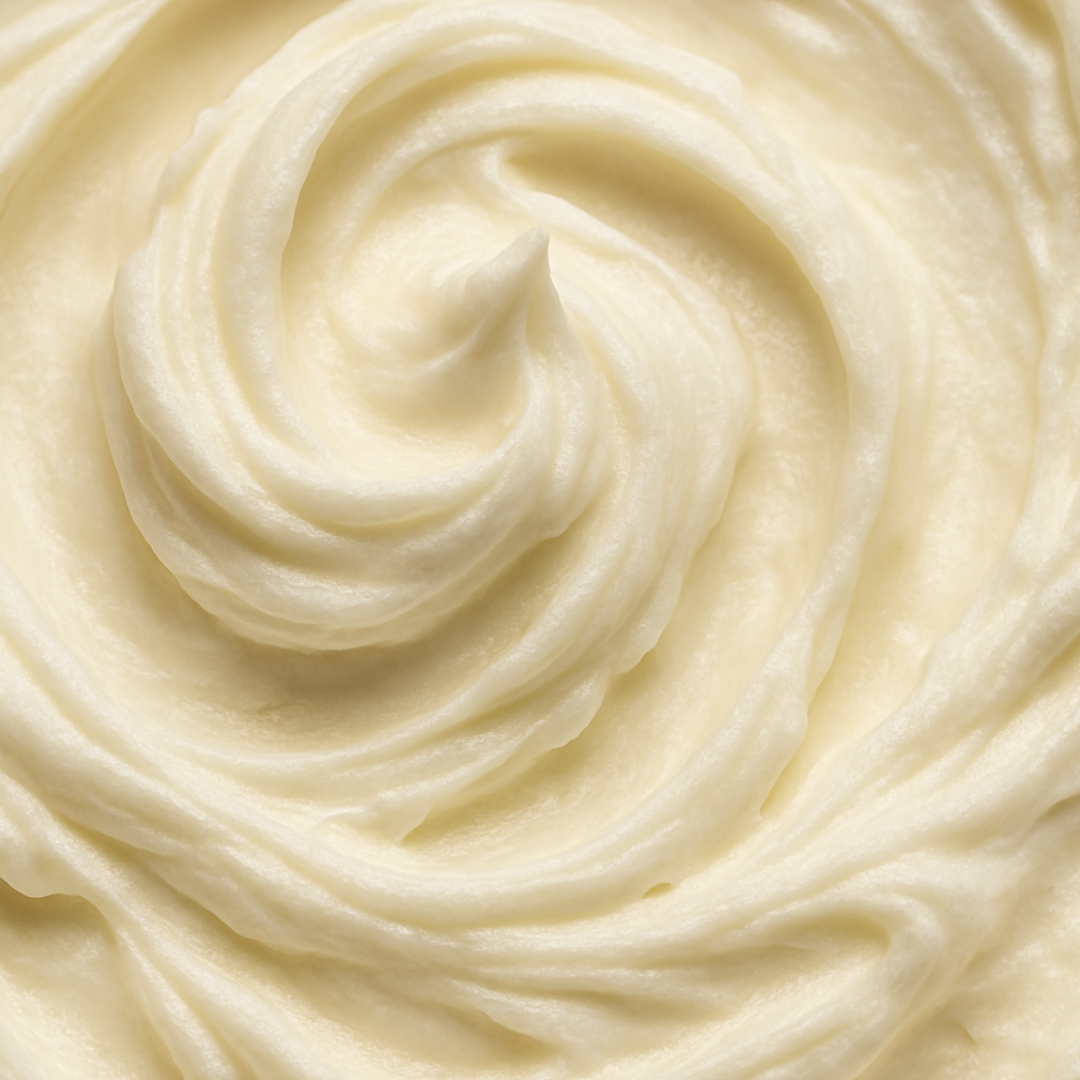
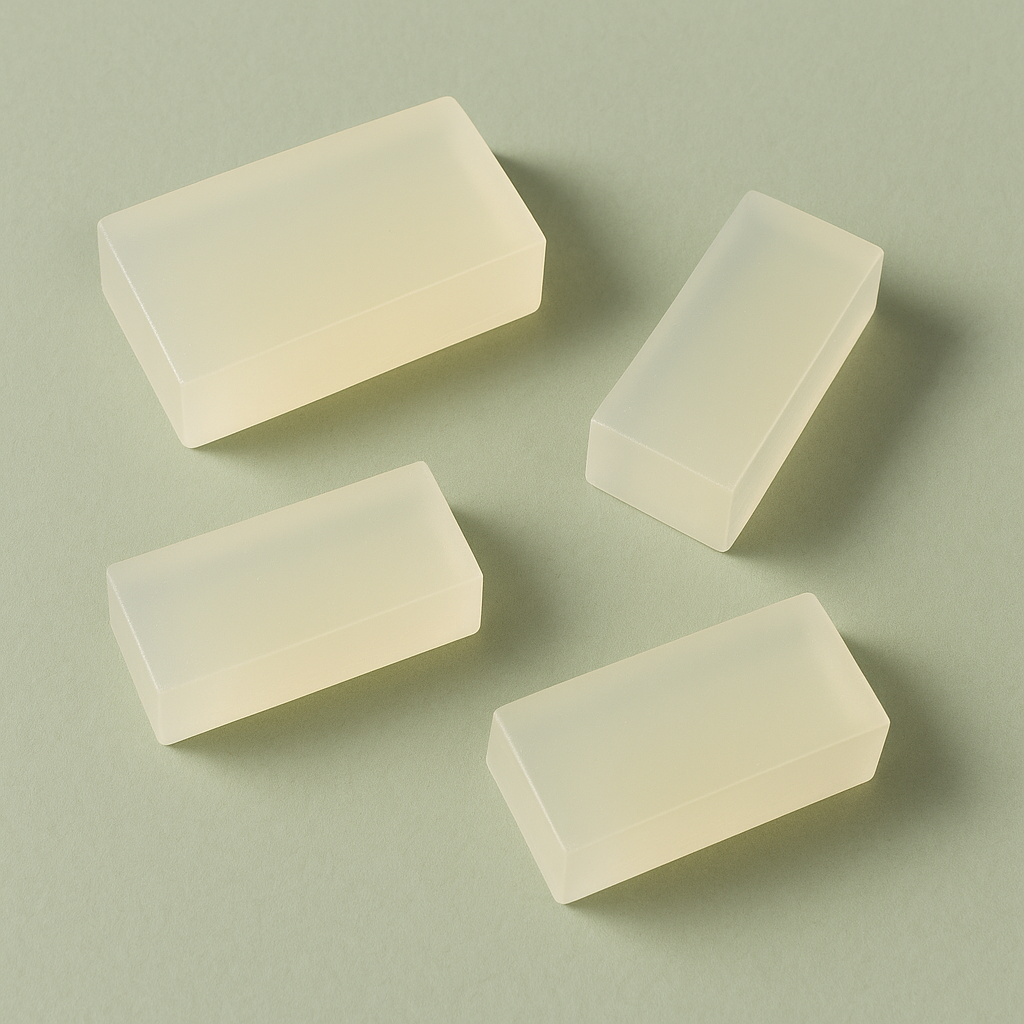
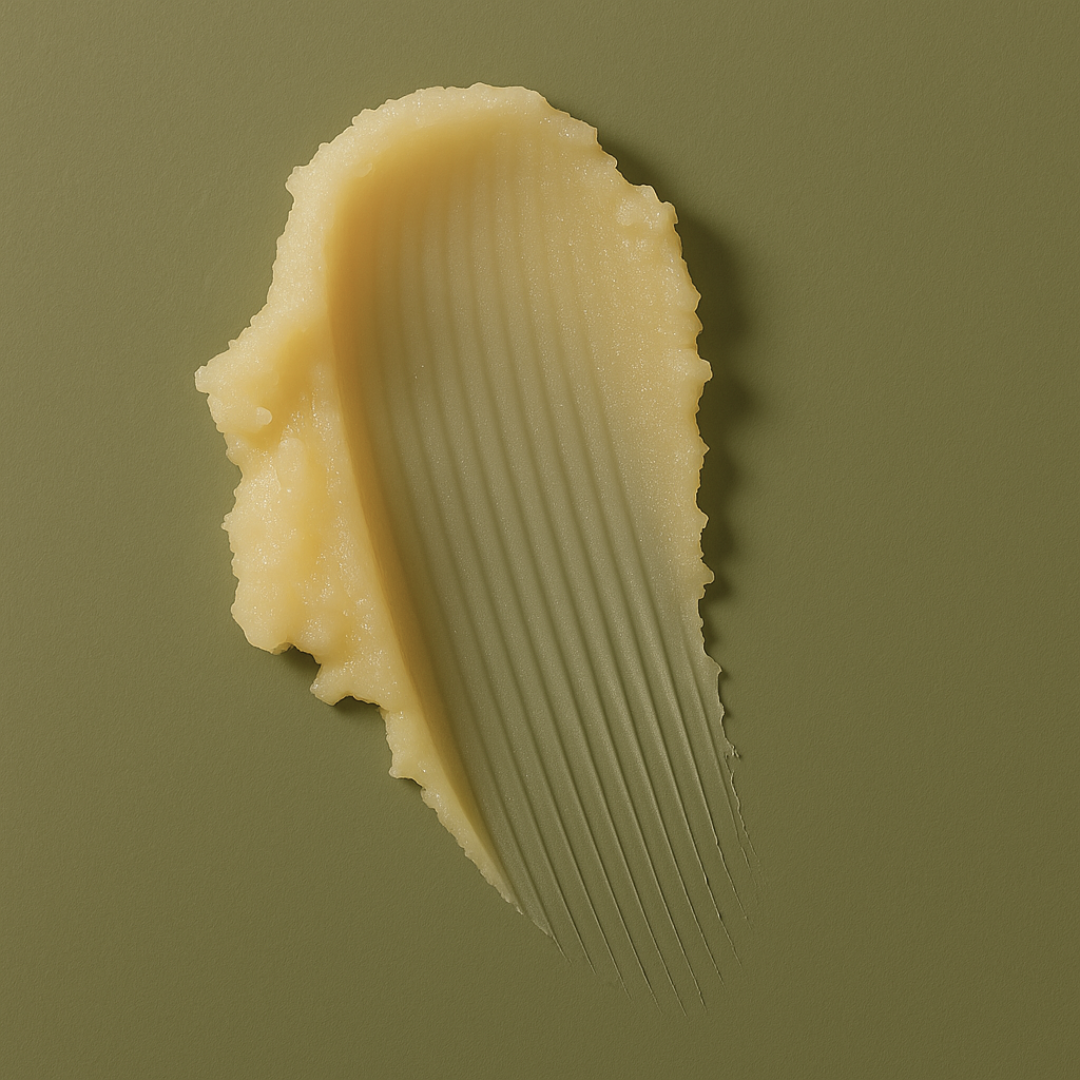
Castile Gel — 1kg
-
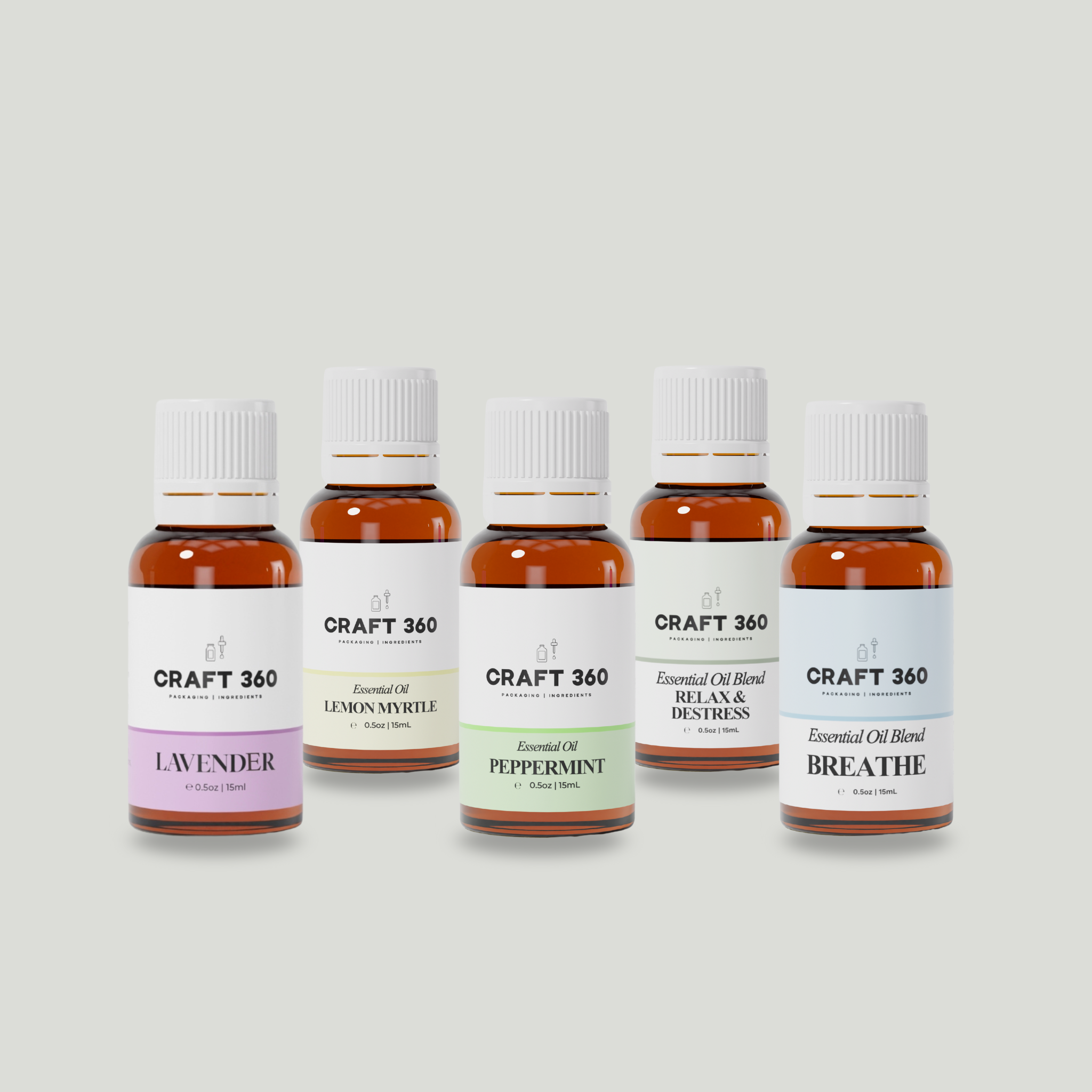
Pure Essential Oils — 15ml Australian Bush Blend, 15ml Lemon, 15ml Tea Tree
BYO (you provide)
- Distilled water (or boiled & cooled water)
- Isopropyl alcohol (70%)
- Amber glass/plastic spray bottle
-
Small funnel for easy pouring (optional)
✨ Surface Spray Recipes
1) Australian Bush All-Purpose Surface Spray (fresh and crisp)
This recipe is designed for a light, spray-and-wipe style cleaner.
For heavier-duty cleaning, you can increase the strength up to a 1:1 dilution with water — for example: 250ml Castile Gel + 250ml Distilled Water.
Make (500ml):
- Add 20g Castile Gel into a mixing jug.
- Gradually pour in 500ml distilled water, stirring gently as you go until combined.
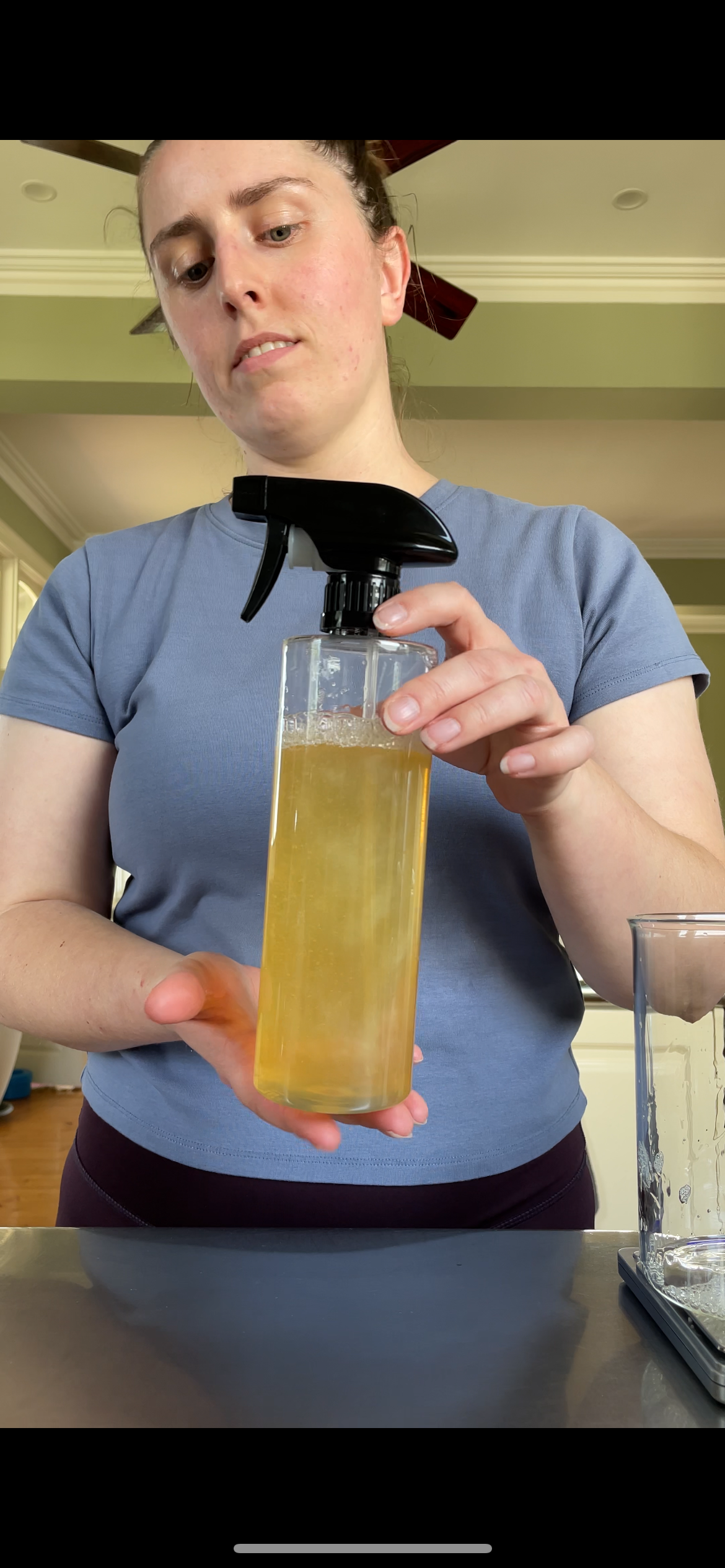
- Add 10 drops of Australian Bush Blend. Blend vigorously, swirling the solution.
-
Pour into your spray bottle, cap, and shake gently.
Use:
- Always shake well before each use. See shelf life guidance at the bottom of the page.
- Spray benches, tables, and other everyday surfaces.
-
Wipe with a clean cloth.
Note: Patch-test first. Avoid unsealed stone or porous surfaces.
2) Lemon Kitchen Surface Spray (bright and fresh)
This recipe is designed for a light, spray-and-wipe style cleaner.
For heavier-duty cleaning, you can increase the strength up to a 1:1 dilution with water — for example: 250ml Castile Gel + 250ml Distilled Water.
Make (500ml):
- Add 20g of Castile Gel into a mixing jug.
- Gradually pour in 500ml distilled water, stirring gently as you go until combined.
- Add 10 drops Lemon Essential Oil. Blend vigorously, swirling the solution.
-
Pour into your spray bottle, cap, and shake gently.
Use:
- Always shake well before each use. See shelf life guidance at the bottom of the page.
- Spray benches, fridge shelves, and sinks.
-
Wipe with a damp or dry cloth as needed.
3) Tea Tree Bathroom Surface Spray (clean and crisp)
This recipe is designed for a light, spray-and-wipe style cleaner.
For heavier-duty cleaning, you can increase the strength up to a 1:1 dilution with water — for example: 250ml Castile Gel + 250ml Distilled Water.
Make (500ml):
- Add 20g Castile Gel into a mixing jug.
- Slowly pour in 500ml distilled water, stirring gently until combined.
- Add 10 drops Tea Tree Essential Oil.
-
Pour into your spray bottle, cap, and shake gently.
Use:
- Always shake well before each use. See shelf life guidance at the bottom of the page.
- Spray taps, sinks, and damp areas.
- Wipe clean with a cloth or sponge.
4) Streak-Free Glass & Stainless Spray
Make (500ml):
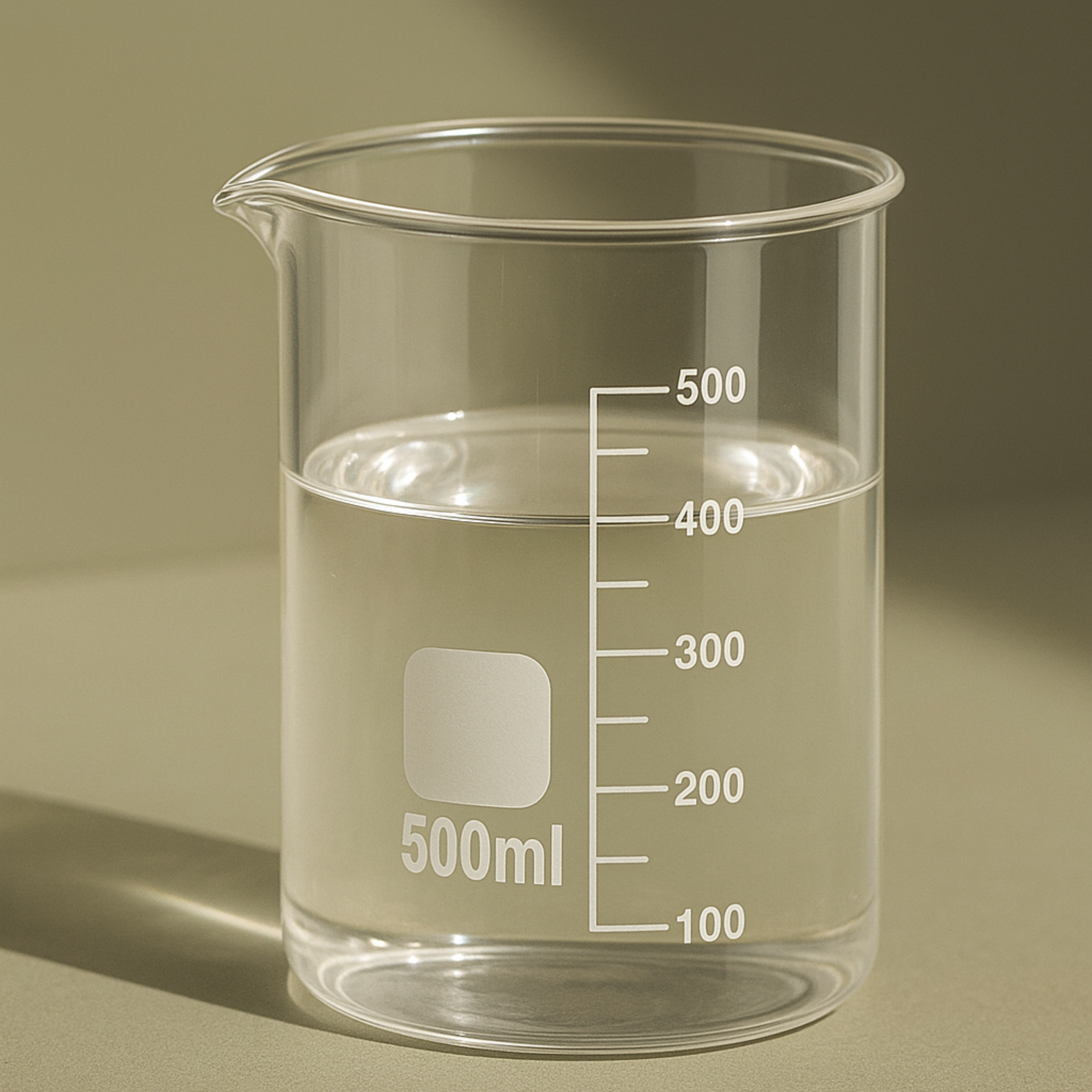
- Add 250ml isopropyl alcohol (70%) + 250ml distilled water into a mixing jug.
- Add 10 drops Lemon EO. Blend vigorously, swirling the solution.
-
Pour into your spray bottle, cap, and shake gently.
Use:
- Always shake well before each use. See shelf life guidance at bottom of page.
- Lightly mist glass, splashbacks, fridge doors, taps.
-
Wipe dry with a lint-free cloth.
5) Quick Fresh Air Spray
Make (250ml):
- Add 150ml isopropyl alcohol (70%) + 100ml distilled water to a spray bottle.
- Add 15 Drops of Australian Bush Blend.
- Cap and shake gently.
Use:
- Always shake well before each use. See shelf life guidance at bottom of page.
- Spritz into the air (avoid direct spray on delicate fabrics).
- Optional: light mist on towels/bath mats after a patch test.
Bonus Recipes:
If you have Washing Soda & Citric Acid at home, you can also make the following
6) Heavy-Duty Degreaser Spray
This recipe is designed for a spray-and-wipe style cleaner.
For heavier-duty cleaning, you can increase the strength up to a 1:1 dilution with water — for example: 250ml Castile Gel + 250ml Distilled Water.
Make (500 ml):
- Add 20g of Castile Gel into a mixing jug.
- Slowly add 250ml of warm Distilled Water to the gel mixture, then slowly mix in 15g of Washing Soda.
- Add 15 drops of your chosen EO.
- Top up to 500ml with warm water, shake.
Use:
Important: Avoid spraying on aluminium, waxed wood, or delicate surfaces — Washing Soda (sodium carbonate) can damage them.
- Always shake well before each use. See shelf life guidance at bottom of page.
- Spray greasy surfaces.
-
Wait 2–3 min, wipe clean.
Note: Patch-test enamel/painted surfaces.
7) Shower & Tile Spray (soap scum/limescale)
Make (500ml):
- Dissolve 30g Citric Acid in 500ml warm water in a spray bottle.
- Add 15 drops of your chosen EO.
-
Cap and shake.
Use:
- Always shake well before each use. See shelf life guidance at bottom of page.
- Spray tiles, glass, taps.
-
Wait 5 min, wipe or rinse.
Note: Do not use on natural stone/marble/terrazzo.
🛡️ Safety & Storage
-
Water-based sprays: Best used within 2–4 weeks. Make small batches for freshness.
-
Always label your bottles: Include the product name and date made.
-
Storage: Keep in a cool, dark place away from direct sunlight.
-
Shake before every use: Essential oils naturally separate from water.
-
Patch-test surfaces: Especially stone, marble, or specialty finishes.
-
Safety: Keep out of reach of children and pets. Essential oils are for external use only — never ingest or use undiluted on skin.
-
Signs of expiry: If the spray changes colour, texture, or smell, discard and make a fresh batch.
🚫 Surfaces to Avoid
Castile Gel (mild, alkaline soap):
-
Safe on most surfaces, but avoid:
- Unsealed wood (can leave watermarks or swelling)
-
Marble, granite, natural stone (the alkaline soap can dull or etch)
Essential Oils (Australian Bush Blend, Lemon, Tea Tree):
-
Potent, solvent-like properties can damage:
- Plastic/acrylic surfaces (risk of clouding or weakening plastic)
- Painted or varnished wood (can strip finishes)
-
Stone surfaces (especially citrus oils like Lemon — can etch and dull stone)
Bicarb Soda (mild abrasive):
-
Avoid using as a scrub on:
- Glossy plastics (may scratch)
- Delicate coatings (e.g. non-stick cookware, polished stone)
-
Acrylic bathroom surfaces (can dull shine over time)
Citric Acid (acidic, descaling):
-
Avoid on:
- Marble, granite, limestone, travertine (all acid-sensitive stones will etch)
- Aluminium or cast iron (acid corrodes these metals)
-
Natural wood (acid can stain and damage fibres)
Washing Soda (highly alkaline, strong cleaner):
-
Avoid on:
- Aluminium (causes dark discolouration/pitting)
- Waxed or polished wood (strips finish)
- Delicate painted surfaces (alkaline solution may strip paint)
- Natural stone (etching and dulling)